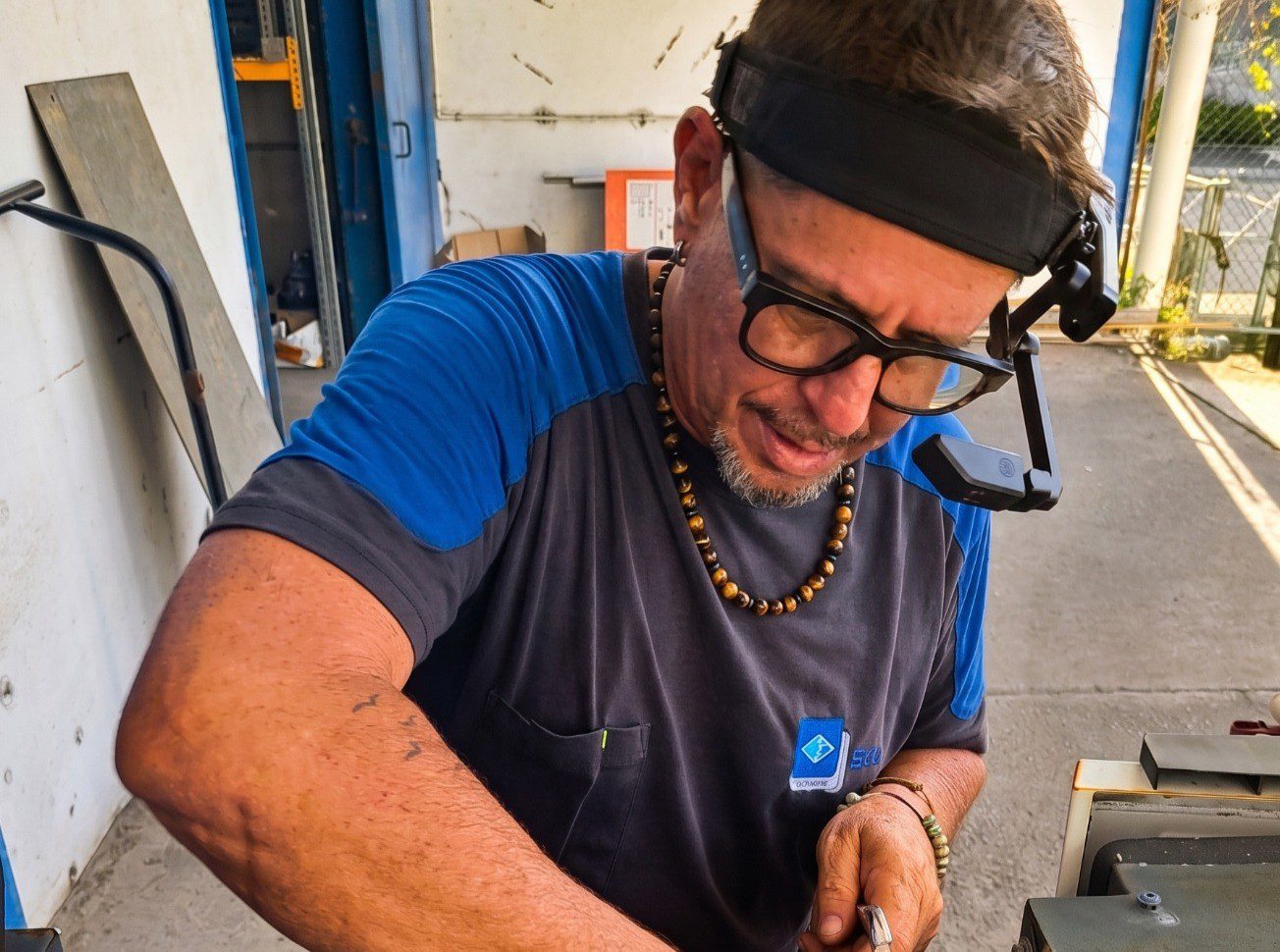
In recent years, managing technical field trips has become increasingly complex due to both organizational factors and external elements affecting timelines and costs. For this reason, Augmented Reality (AR) or Mixed Reality can be a key tool for improving these activities.
At the same time, it is important to consider the environmental impact of such travel. Globally, transportation accounts for 15.9% of greenhouse gas emissions, making it the third most polluting sector after energy production and manufacturing. In Europe, according to the European Environment Agency (EEA), transport is responsible for about one quarter of total CO₂ emissions, with 71.7% generated by road transport. A similar pattern is seen in Italy: according to ISPRA (the Italian Institute for Environmental Protection and Research), transport accounts for 31% of national emissions, with over 90% coming from road transport. Overall, emissions from this sector continue to rise, now about 10% higher than 1990 levels.
In today’s context, marked by economic and energy uncertainty, travel planning has become more unpredictable and costly.The introduction of remote collaboration platforms and/or process digitalization in AR, such as those developed by Brochesia, therefore enables more effective support for field activities, reducing the need for non-essential business travel and optimizing costs and operations.
Fewer business trips, more targeted initiatives, employee well-being
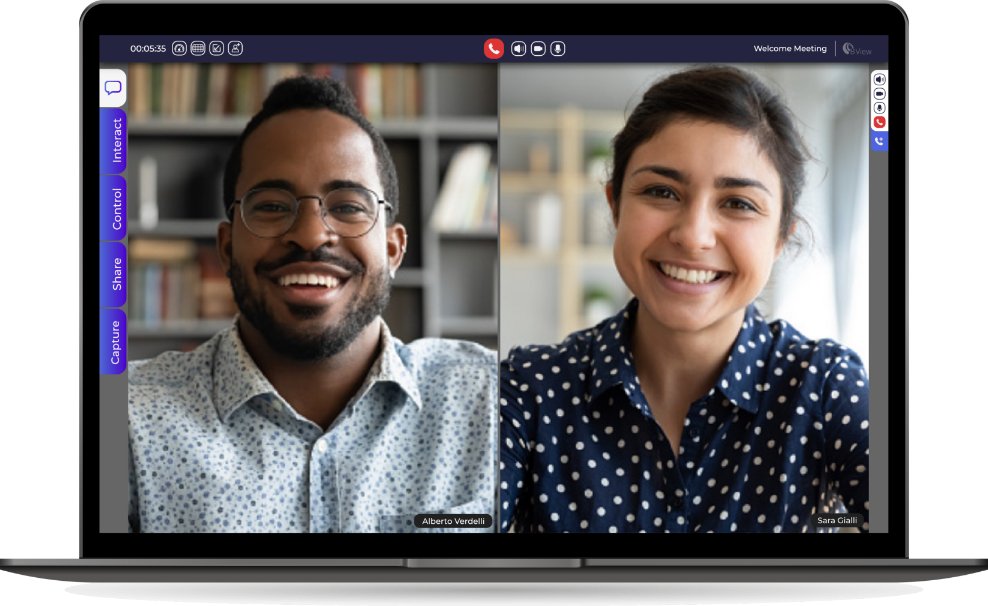
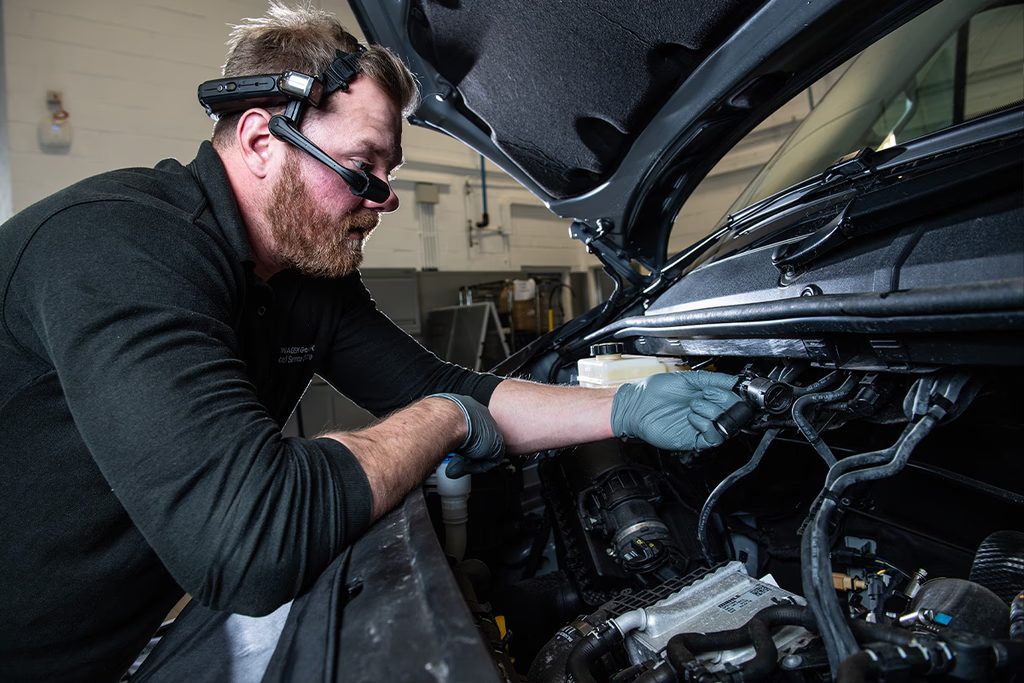
One of the main advantages of Augmented Reality (AR) is its ability to limit on-site visits to only those that are truly necessary. By leveraging smart glasses smartphone or tablet and remote collaboration platforms, field operators can share their real-time view with remote experts and receive immediate technical support and guidance.
On-site presence is still necessary in certain situations, but even then, remote collaboration enables more efficient interventions. An initial analysis can be carried out remotely to gather information and define subsequent activities more precisely, reducing repeated or unnecessary travel.
In addition, the digitalization of operational processes supports the structuring and standardization of field activities through digital checklists, guided procedures, and real-time data collection. This allows operators to work more efficiently and independently, reducing errors and response times, and further limiting the need for additional inspections or site visits.
Reducing travel also positively impacts quality of life. Frequent and prolonged travel can make it difficult to maintain a healthy work-life balance, especially over time. Limiting unnecessary travel and providing greater stability improves employee well-being, reduces travel-related stress, and supports better organization of personal life, without compromising operational effectiveness.
Reduced lead times, cost optimization, and knowledge sharing
Business travel requires significant time for organization, travel, and access to operational sites. Remote collaboration and/or digitalisation of processes eliminates these intermediate phases.
Remote collaboration and/or process digitalization make it possible to eliminate these intermediate steps. Support can be activated almost immediately, improving response times and reducing downtime. Alternatively, tasks can be carried out through standardized digitalized processes based on checklists and guided procedures. These support the operator step by step directly in the field.
This approach also enables a more efficient use and sharing of expertise. Specialists and experienced technicians can provide remote support across multiple activities and locations, without the constraints of physical presence. As a result, corporate know-how becomes more accessible and better distributed, increasing overall intervention capacity.
From a cost perspective, it reduces direct expenses such as travel, accommodation, and personnel logistics. It also lowers indirect costs linked to waiting times and the temporary unavailability of resources. At the same time, real-time support helps reduce downtime with a direct impact on efficiency, overall productivity and the tracking of completed tasks.
Versatility of AR in reducing business travel
Augmented Reality is not limited to a single application area but is used across multiple sectors. In industrial and maintenance contexts, it enables operators to receive step-by-step guidance directly in their field of view, reducing errors and intervention times. In the case of knowledge sharing and training, however, it enables the transfer of skills both in real time during operational activities with remote support from experts who assist the operator directly in the field and through the digitization of processes, thereby improving safety and efficiency.
Flexible support for field operations
Augmented Reality collaboration does not replace on-site intervention, but complements it. Business travel is still necessary in some cases, but it can be planned in a more targeted way, only when truly required. In this way, companies can maintain operational continuity while reducing the impact of travel.
Remote collaboration and process digitalization therefore allow a rethinking of the role of business travel in industrial processes, transforming it from a systematic necessity into a strategic intervention. Overall, the combination of reduced travel, optimized timing, and better use of expertise makes these technologies a concrete tool to improve day-to-day operational efficiency.
Reduction of environmental impact
Reducing business travel has positive effects not only from an organizational and economic standpoint, but also from an environmental perspective. The transport sector is one of the main sources of greenhouse gas emissions, both at European and national level, and contributes significantly to climate change.
Reducing non-essential travel therefore means directly limiting fuel consumption and associated CO₂ emissions. In this sense, the use of remote collaboration and Augmented Reality solutions can make a concrete contribution to a more sustainable management of operational activities.
Managing business travel with AR in complex global scenarios
Operating in an increasingly complex environment has become essential. Augmented Reality platforms for remote collaboration of Brochesia represent a concrete opportunity for companies aiming to improve operational sustainability and address unexpected emergencies.
A significant example of this evolution emerged during the COVID-19 health crisis, when the need to limit physical travel accelerated the adoption of remote collaboration solutions. During the pandemic, technology enabled many companies to ensure operational continuity by providing remote technical support and reducing on-site interventions, demonstrating its effectiveness even in critical situations.
In today’s international scenario, marked by ongoing conflicts and volatility in energy and fuel costs, optimizing travel helps improve operational efficiency and supports more effective planning to reduce economic impact. AR technologies, such as those developed by Brochesia, show how digital tools can be integrated into business processes to optimize field operations and use resources more consciously.
Augmented Reality therefore emerges not only as a technological innovation but also as a practical tool to support a more sustainable and responsible approach, highlighting the growing need for timely action.
To explore the applications of our B View and B Step software and identify the most suitable use cases for your operations, you can request further information or a live demonstration by contacting us.