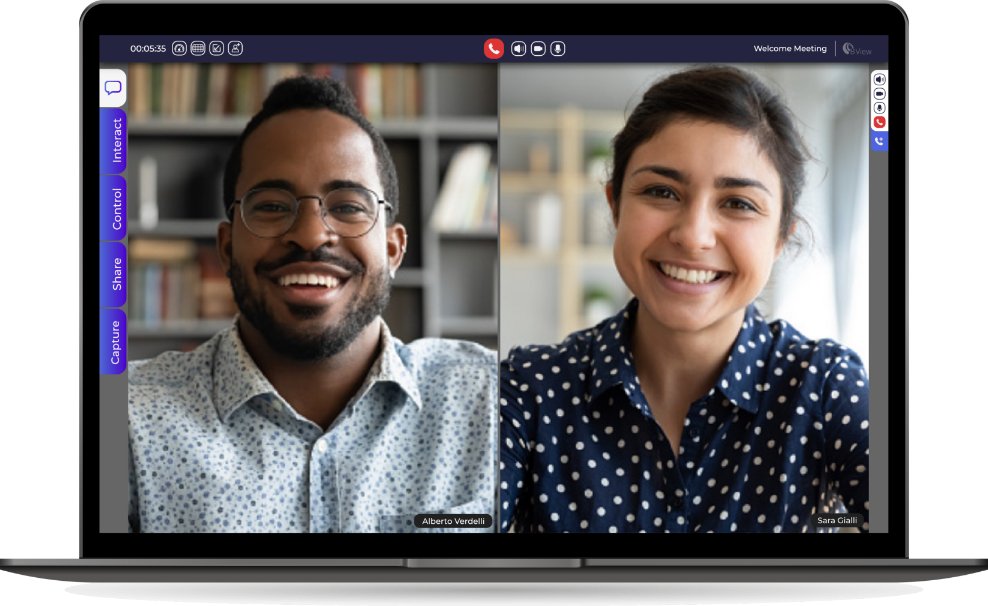
Augmented reality in the medical sector is no longer an experimental hypothesis, but an operational reality that is transforming the way doctors, nurses, and local operators manage complex clinical procedures.
By superimposing digital content, diagnostic images, vital signs, and operational checklists directly into the operator’s field of vision, augmented reality allows critical clinical information to be integrated at the moment of action. This approach also allows real-time sharing of the scene with colleagues or specialists remotely, facilitating immediate consultation and faster, more informed decisions.
There are many applications for augmented reality in the medical sector: from immersive medical training to intraoperative support, from first aid to home visit management, to biomedical equipment maintenance.
In all these contexts, the ability to access contextualized data without interrupting the activity helps to improve safety, effectiveness, and collaboration among professionals.
In recent years, several healthcare facilities have launched projects based on augmented reality solutions to connect local staff with hospital specialists in real time. The goal is clear: to increase the safety of procedures and ensure greater continuity of care, reducing unnecessary hospitalizations, including in the context of home care and community medicine.
Medical training
In a previous article, we explored how this technology is revolutionizing medical training.
Smart glasses and augmented reality can enrich the learning experience by offering the possibility of receiving real-time instructions during clinical simulations and practical sessions.
In particular, Nakhon Ratchasima Rajabhat University, using Brochesia’s B View software, has embarked on an innovative path to integrate augmented reality into medical training courses.
Surgical support
In the surgical field, augmented reality allows surgeons and team members to view vital information directly in their field of vision, without distractions or consulting external screens.
Experts and students can watch surgical procedures from wherever they are, and real-time consultations can be requested from colleagues around the world.
Thanks to real-time AR, it is also possible to provide remote surgical support, allowing specialists and consultants to guide complex procedures without having to travel. This approach reduces travel time and operating costs, while maintaining high standards of precision and safety.
Still in the context of training, but more specifically in the surgical field, sessions can be recorded for educational purposes. In particular, the use of smart glasses and augmented reality applications is finding application in the training of trainees, intraoperative guidance, and remote collaboration between specialists, allowing real-time support even in the physical absence of the expert.
Paramedic and first aid sector
By wearing smart glasses, paramedics can share their visual perspective in real time with experts at the operations center or with hospital staff, enabling hands-free two-way communication.
In the paramedic sector, this technology is proving strategic for:
- Replacement of medical devices at home
- Management of chronic or frail patients
- Assistance in rural or hard-to-reach areas
- Support in out-of-hospital emergencies
In the specific context of first aid, 118 operators, local nurses, emergency teams, and first responders often find themselves working in complex conditions, with limited information and under pressure. The use of this technology allows them to:
- Transmit live video to the doctor at the operations center
- Receive clinical guidance during emergency procedures
- Access protocols and checklists without using their hands
- Document the intervention automatically and traceably
This mode of visual teleconsultation allows remote support to be provided during the clinical assessment of the patient, facilitating a more accurate preliminary diagnosis and contributing to the appropriate assignment of the emergency code and the choice of destination hospital.
Medical examinations
With augmented reality devices, doctors can devote more time and attention to patients, while a remotely connected assistant takes care of compiling reports, diagnoses, and treatment prescriptions. In addition, the recorded data is saved and remains constantly available to specialists.
Augmented reality for the medical sector goes beyond simple audio/video conferences, as it:
- improves the quality of shared information
- allows the integration of clinical data, guidelines, and visual annotations directly into the field of view of operators
- supports remote examinations, diagnostic activities, and clinical decisions.
Practical Applications of Augmented Reality in the medical Sector
Thanks to Augmented Reality, it is possible to:
-
- View diagnostic images (CT, MRI, X-rays, ultrasounds) directly in your field of vision.
- Overlay clinical data and AR annotations on the patient or instruments.
- Consult vital signs and real-time monitoring.
- Communicate with remote specialists and receive guidance without interrupting the procedure.
- Record videos and take photos for documentation, auditing and follow-up.
- Access guidelines and clinical documentation without looking away from the operation.
- Highlight critical areas with pointers or AR drawings.
- Immersive education and training, allowing students or colleagues to follow the surgeon’s perspective live.
Solutions such as the B View software for smart glasses developed by Brochesia are opening up new frontiers in medicine, helping to make specialist skills accessible wherever they are needed, supporting people in their tasks and improving process efficiency.
If you would like to find out more about how smart glasses can support healthcare professionals in their daily clinical activities, contact us and request a demo.