In recent years, the energy sector has increasingly been characterised by the application of innovative and smart technologies for resource management, with the goal of achieving the targets set for the energy transition. Among these solutions, advanced digital tools are also emerging, including augmented reality, which in the energy sector enables the optimisation of operational processes, improves collaboration between technicians and reduces response times.
The energy transition is now one of the most pressing global challenges: the need to reduce greenhouse gas emissions, limit climate change and make energy systems more resilient and sustainable is at the heart of public policy, investment and technological innovation.
Renewable energy plays a fundamental role at the heart of this transformation: solar, wind, hydroelectric, biomass and geothermal energy are sources capable of ensuring a clean, secure and low-emission energy supply.
To support the energy transition and accelerate the development of renewable energy, the European Commission recently presented a Clean Energy Investment Strategy, a plan aimed at mobilising greater public and private investment in sustainable energy technologies and grid infrastructure.
The role of augmented reality in the energy sector
The implementation of augmented reality is becoming increasingly relevant for energy operators. This technology enables technicians to access technical information, procedures and specialist support directly while performing operational tasks in the field.
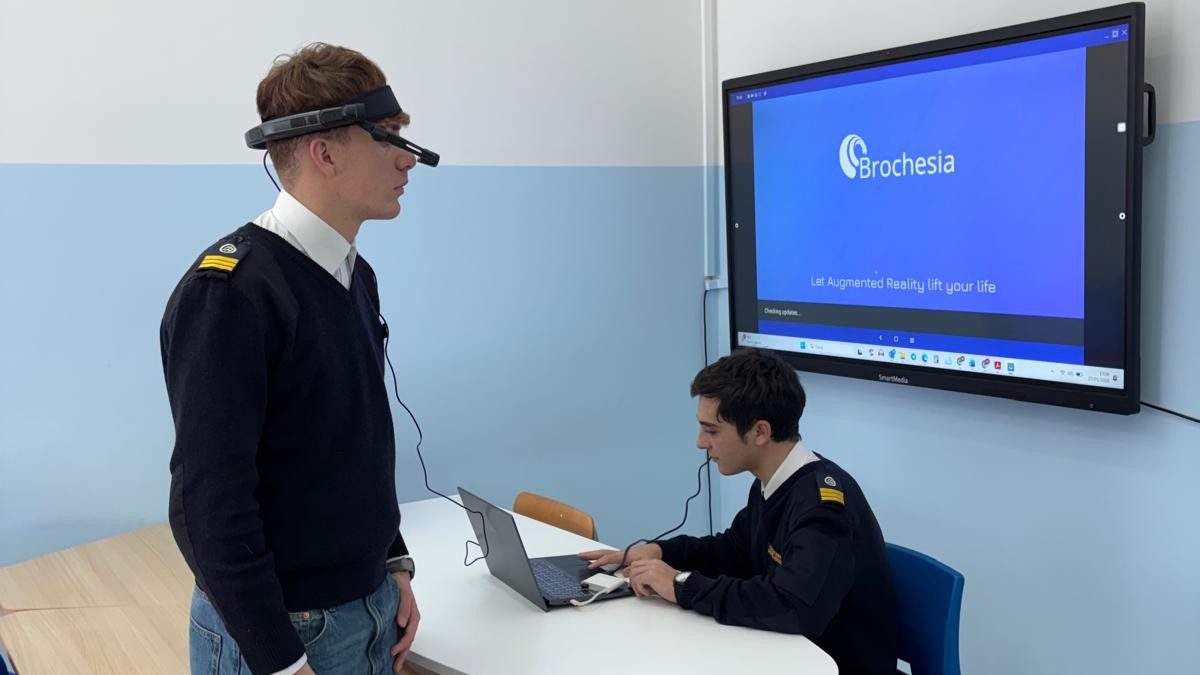
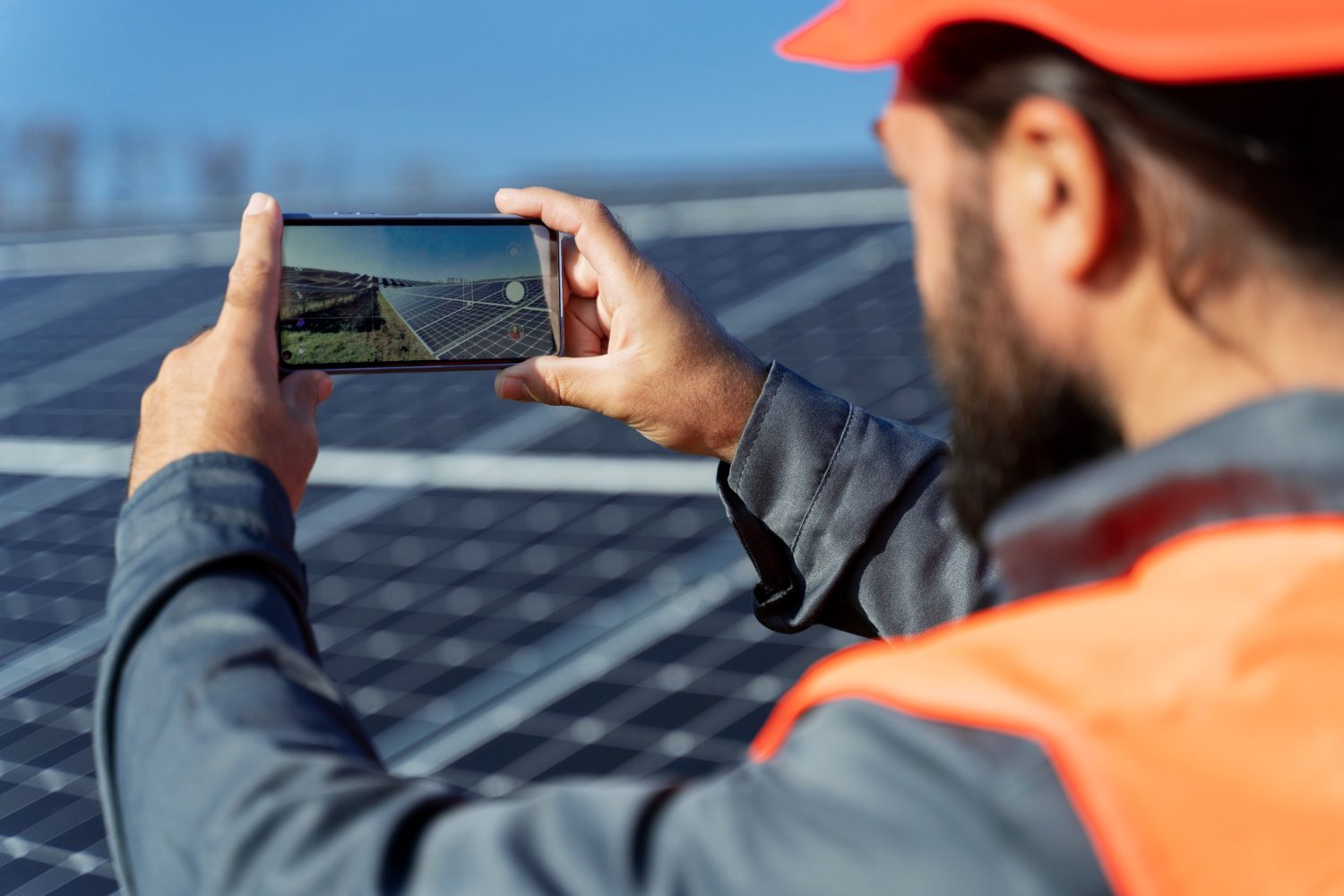
Using smart glasses or mobile devices such as smartphones and tablets, operators can share their point of view in real time with expert technicians. As a result, remote specialists can analyse situations immediately and provide operational guidance without the need to be physically present on site.
Consequently, this approach makes it possible to:
-
- reduce the need for specialist technicians to travel
- speed up system installation and commissioning
- improve maintenance and diagnostics
- increase the safety of field operators
Solutions and use cases: augmented reality supporting renewable energy
Brochesia has long been active in the energy sector, where it supports companies and operators in the digitalisation of field operations through augmented reality software.
In the renewable energy sector, characterised by distributed plants, complex infrastructures and work often carried out in challenging environments, having the right digital tools is becoming increasingly important. These technologies help operators work more efficiently, safely and in a structured way.
To address these needs, B View and B Step provide practical support for several key operational activities, including maintenance, inspection, training, installation and supervision. These flexible products can be applied to different types of energy plants and can easily adapt to specific operational contexts.
In the following sections, several use cases are presented to illustrate in practical terms how augmented reality can help optimise operational activities while supporting the broader goals of the energy transition.
Solar energy
Solar energy harnesses the sun’s radiation to generate electricity or heat. Among the most widely used technologies are photovoltaics, which directly convert sunlight into electricity through solar panels, solar thermal systems used for producing hot water, and concentrated solar power systems typically employed in large-scale power plants.
In the photovoltaic sector, augmented reality can support several stages of a plant’s lifecycle, from the initial site survey to installation and maintenance activities.
For instance, by using B View, installers or technicians can share their field of view in real time with a remote supervisor. The expert can then provide specific instructions directly on the image seen by the operator. Through augmented reality features such as digital pointers, graphic annotations, component highlighting and the sharing of images or documents, remote specialists can guide technicians during system inspections or while resolving faults.
In addition, B Step enables the creation and management of customised digital workflows. The platform guides operators step by step through activities such as technical site inspections, panel installation, system configuration and commissioning. Furthermore, all information entered during the operation is recorded automatically, enabling the generation of a final report and significantly improving the traceability of activities.
Wind energy
Wind energy harnesses the power of the wind to generate electricity through turbines installed either on land (onshore) or at sea (offshore).
However, wind farms often require technical work on turbines located in remote or difficult-to-reach areas. In these situations, augmented reality can play a crucial role in improving operational efficiency.
Through B View, operators working directly on the turbine can share what they see with a remote expert. The specialist can then provide visual highlights and annotations directly on the operator’s display, facilitating faster diagnostics and reducing both travel requirements and the number of technicians needed on site.
At the same time, B Step allows companies to create digital workflows designed to standardise operations such as periodic turbine inspections, safety checks and scheduled maintenance. Operators can follow guided instructions directly on their device while automatically generating reports that contain all the data collected during the intervention.
Hydroelectric power
Hydropower harnesses the movement of water, such as in rivers or reservoirs, to drive turbines that generate electricity. Hydropower facilities can include dams, run-of-river plants or pumped-storage systems.
In hydroelectric plants, which typically include turbines, generators and complex control systems, augmented reality can significantly improve inspection and maintenance activities.
For example, B View allows technicians to share their field of view during inspections. A remote supervisor can then provide instructions directly on the image captured by the operator, highlighting specific components or suggesting technical checks in real time.
Meanwhile, B Step enables the digitisation of maintenance and inspection procedures. Operators can follow structured workflows during checks on turbines, generators or pumping systems, while all collected information is automatically archived in detailed digital reports.
Biomass or bioenergy
Bioenergy is derived from organic matter such as agricultural residues, wood or organic waste and can be used to produce thermal energy, electricity or biofuels.
Biomass energy plants require continuous monitoring of industrial processes and equipment. In this context, augmented reality tools can significantly improve communication between field operators and specialists.
With B View, operators can share images and videos of machinery with expert technicians, who can provide real-time guidance using annotation tools and visual cues in augmented reality.
At the same time, B Step enables the creation of digital operating procedures for activities such as monitoring anaerobic digesters or maintaining plant equipment. Operators can follow structured instructions while recording operational data, which is automatically compiled into a final report at the end of the process.
Geothermal energy
Geothermal energy harnesses the natural heat stored beneath the Earth’s surface to generate electricity or provide direct heating.
These plants require continuous monitoring of wells, heat exchange systems and energy production infrastructure. In this context, B View allows operators to share their field of view in real time with remote experts. This facilitates faster analysis of anomalies and provides immediate support during technical interventions on specific components.
In parallel, B Step makes it possible to standardise inspection and maintenance procedures. Operators can follow digital workflows directly on smart glasses or mobile devices, ensuring that each step of the process is clearly guided and properly documented. Once the intervention is completed, an automatic report certifies the activities performed and includes all the data collected during the operation.
Innovating the energy sector for a more sustainable future
In a scenario where renewable energy is becoming increasingly important, the integration of digital technologies, such as augmented reality, into operational processes represents a key factor in improving efficiency, safety and sustainability across the energy sector.
Indeed, the energy transition does not depend solely on the widespread adoption of renewable energy sources. Equally important is the ability of companies to innovate and optimise their operational processes.
For this reason, collaboration between energy companies and technology providers plays a crucial role. By working together, these organisations can develop innovative solutions capable of accelerating the transformation of the global energy system towards a low-emission and more sustainable future.
To discover how B View and B Step can support the digitalisation of your processes in the energy sector or in any other industry, contact us for more information.